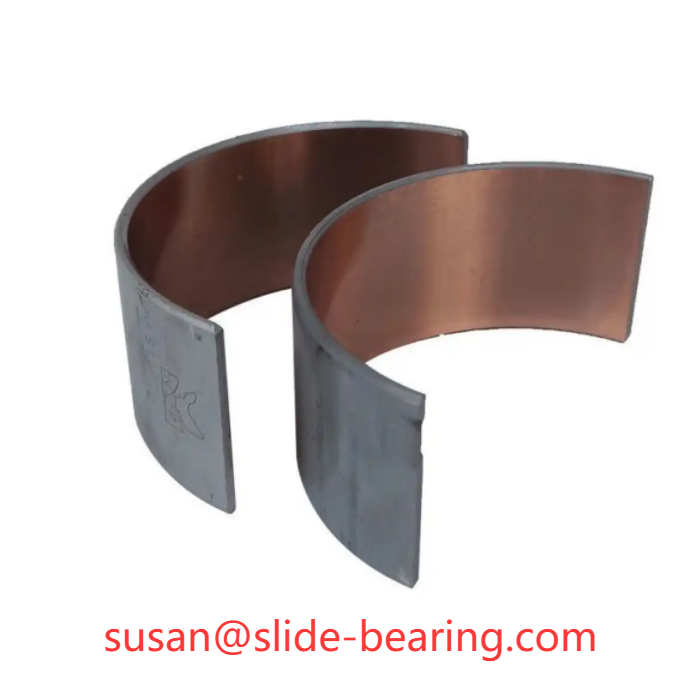
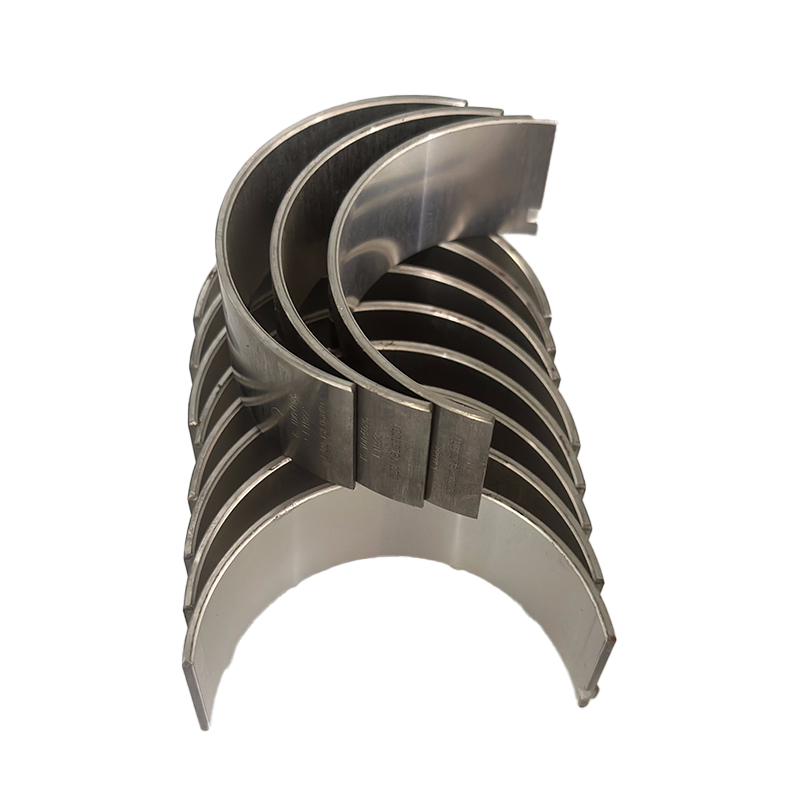
Steel Bushing
2026-01-15
1. Material Composition & Design
Steel bushings are precision components made from carbon steel or alloy steel, designed for high-load and wear-resistant applications. Key material variants include:
· Carbon Steel: ASTM 1045/1060 for general machinery (hardness 35–45 HRC)
· Alloy Steel: 4140/4340 with chromium-molybdenum additives for enhanced toughness and fatigue resistance
· Heat-Treated Steel: 50CrV4 spring steel hardened to 52–60 HRC for heavy-duty shock absorption
2. Manufacturing Processes
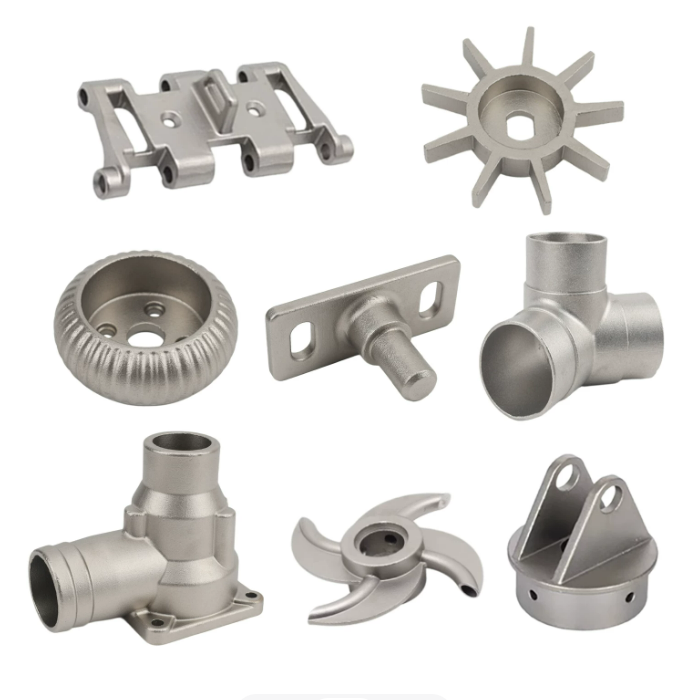
00001. Forging: Free forging or die forging to achieve grain alignment and structural integrity under extreme loads
00002. CNC Machining: Precision turning and grinding for dimensional tolerances ≤±0.02 m
00003. Heat Treatment:
· Quenching and tempering (e.g., 50CrV4) to optimize hardness and ductility
· Case hardening (e.g., carburizing) for surface hardness up to 60 HRC
00004. Surface Engineering: Laser-engraved oil grooves or PTFE coatings to reduce friction in dry conditions
3. Performance Characteristics
|
Parameter
|
Value/Feature
|
|
Static Load Capacity
|
80–120 N/mm²
|
|
Dynamic Friction Coefficient
|
0.10–0.15 (dry); 0.05–0.08 (lubricated)
|
|
Temperature Range
|
-40°C to +200°C (intermittent duty)
|
|
Wear Rate
|
≤0.08 mm/1000h under 50 N/mm² load
|
4. Industrial Applications
· Construction Machinery:
· Excavator bucket pins and track rollers, handling shock loads >50 kN
· Bulldozer pivot joints requiring corrosion resistance in abrasive environments
· Automotive Systems:
· Suspension linkages and transmission components for EVs
· Engine camshaft bushings with high thermal stability
· Mining Equipment:
· Crusher shaft sleeves and conveyor system bearing
5. Market Trends & Innovations
· Customization: Laser-engraved oil distribution patterns for high-speed (>3000 rpm) application
· Sustainability: Energy-efficient forging processes reducing CO₂ emissions by 15%
· Smart Integration: IoT-enabled wear sensors for predictive maintenance in mining machinery
Welcome to inquiry with us if you are required similar products.
Contact: Susan Shi
Wechat/whatsapp: +8613517489983




 (Chat Online)
-connecting-rod-bearing.png)