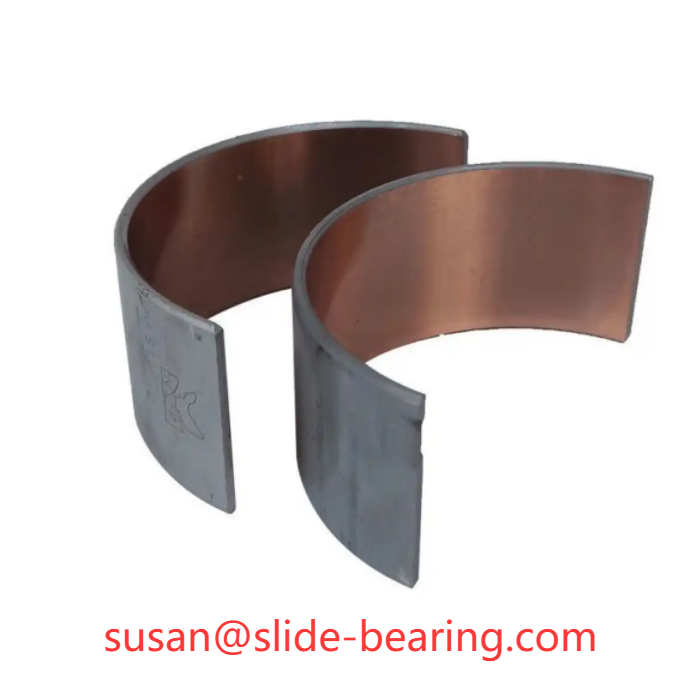
Precision Castings (Cast Iron, Cast Aluminum, Cast Copper, Casting Stainless Steel)
2026-05-28
Introduction to Precision Castings (Cast Iron, Cast Aluminum, Cast Copper)
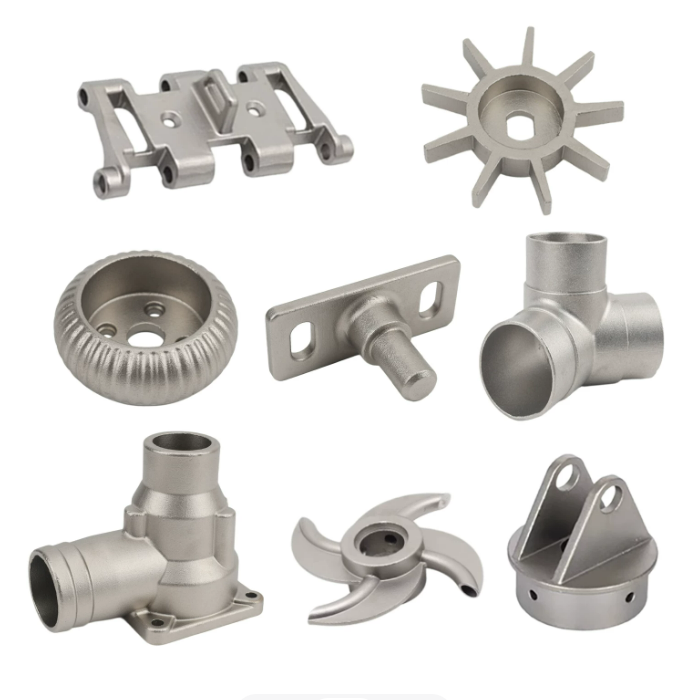
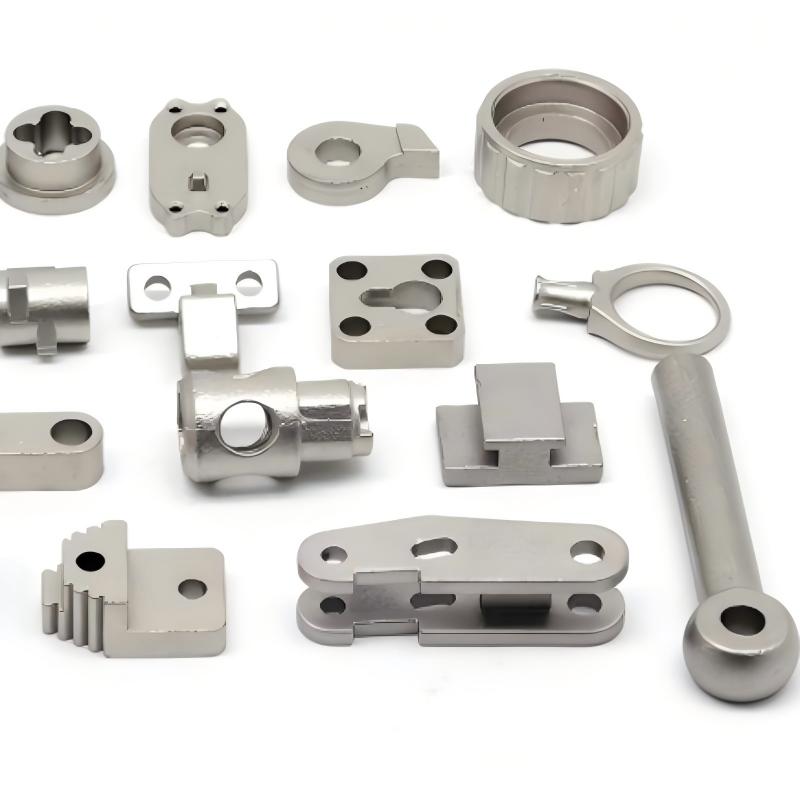
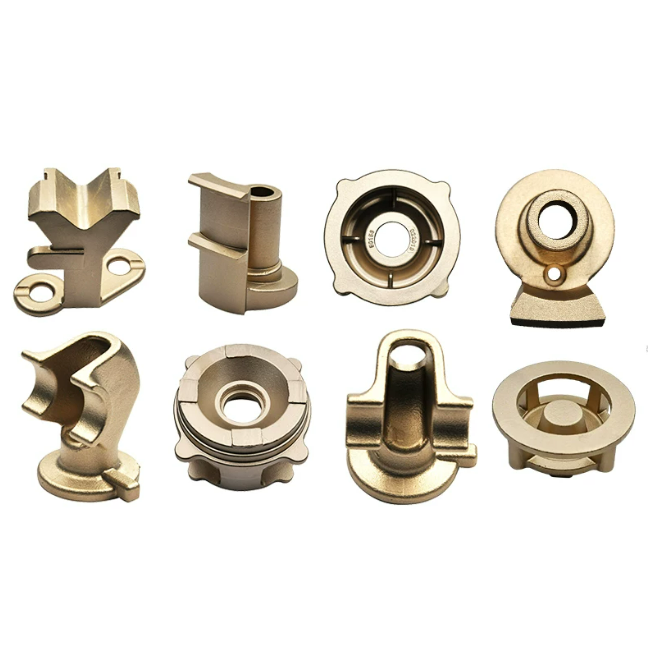
Precision casting is an advanced metal forming process that uses methods such as investment casting to produce metal parts with complex shapes, high dimensional accuracy, and good surface finish. Due to its high precision and excellent material versatility, precision casting plays a critical role in modern industry.
1. Overview of Precision Casting
Unlike traditional sand casting, precision casting (e.g., investment casting) uses a fusible material (such as wax) to create a highly accurate pattern. The pattern is then coated repeatedly with refractory materials to form a ceramic shell. After the shell hardens, the wax pattern is melted out, leaving a high-precision cavity. Molten metal is then poured into the cavity, and after cooling, a near-net-shape precision casting is obtained. This process significantly reduces or even eliminates subsequent machining, making it particularly suitable for producing complex parts that are difficult to manufacture by other methods.
2. Details of Three Main Precision Casting Materials
Different materials offer different properties and applications. The table below details the characteristics, representative grades, and applications of cast iron, cast aluminum, and cast copper.
|
Material Type
|
Representative Grades
|
Key Characteristics
|
Manufacturing Advantages
|
Typical Applications
|
|
Precision Cast Iron
|
QT450-10 (Ductile Iron), HT250 (Gray Iron)
|
High strength, wear-resistant, good vibration damping, low cost; capable of casting large and complex parts. Ductile iron offers higher strength; gray iron offers better machinability.
|
Good dimensional stability, suitable for mass production, capable of complex shapes.
|
Automotive parts, machine tool beds, hydraulic valves, construction machinery components, agricultural machinery parts.
|
|
Precision Cast Aluminum
|
ZL101, ZL104 (Aluminum casting alloys)
|
Lightweight, high specific strength, good thermal and electrical conductivity, excellent corrosion resistance.
|
Excellent castability, capable of thin walls and complex structures, significantly reduces product weight.
|
Aerospace housings, automotive wheels and engine components, heat sinks, medical devices, EV battery casings.
|
|
Precision Cast Copper
|
ZCuSn10Pb1 (Tin Bronze), ZCuAl10Fe3 (Aluminum Bronze)
|
Excellent wear resistance, corrosion resistant, good self-lubricating properties, good thermal and electrical conductivity.
|
Capable of producing precision, complex shapes to meet specific requirements for corrosion and wear resistance.
|
Pump and valve components, marine propellers, precision bearing cages, electrical conductors, heavy-duty equipment bushings.
|
3. General Technical Advantages of Precision Casting
High Precision & Surface Finish: Dimensional accuracy can reach CT4-6 (ISO standard), with low surface roughness. Parts can be used as "near-net-shape" castings, significantly reducing or eliminating subsequent machining.
High Design Freedom: Complex geometries, deep holes, and curved passages can be produced with virtually no limitations, allowing engineers to design beyond the constraints of traditional machining.
Broad Material Versatility: Applicable to almost all castable metals and alloys, especially suitable for difficult-to-machine materials, expanding material selection options.
High Production Efficiency: Offers high productivity for batch production, effectively shortening lead times.
4. Common Application Fields
|
Industry Field
|
Typical Applications
|
|
Automotive Industry
|
Engine blocks, cylinder heads, turbocharger housings, steering knuckles, suspension system parts
|
|
Aerospace
|
Turbine blades, structural parts, engine casings, impellers
|
|
Power & Energy
|
Gas turbine blades, steam turbine components, wind turbine gearbox parts
|
|
Medical & Food
|
Artificial joints, surgical instruments, food machinery parts
|
|
General Industry
|
Pump bodies, valves, impellers, robot arms, sewing machine parts, firearm components
|
5. Summary & Selection Recommendations
Precision casting is an efficient, high-accuracy metal forming process that can produce complex metal parts using various materials. The three common materials each have their own characteristics:
Cast Iron: Typically chosen for cost-effectiveness and wear resistance.
Cast Aluminum: Typically chosen for lightweighting and heat dissipation.
Cast Copper: Typically chosen for wear resistance and corrosion resistance.
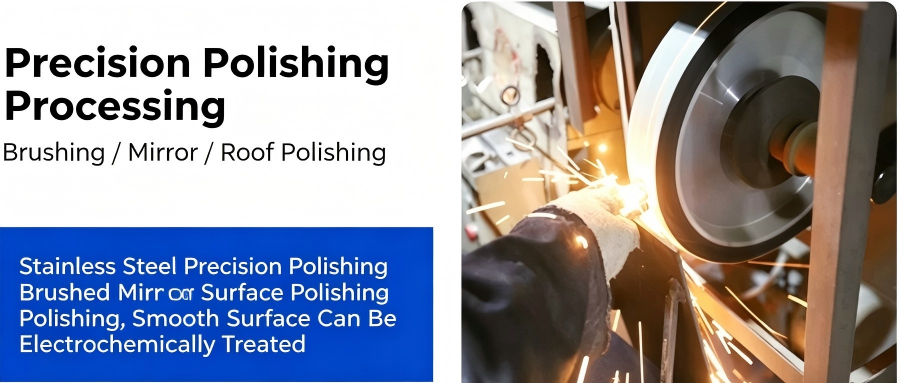
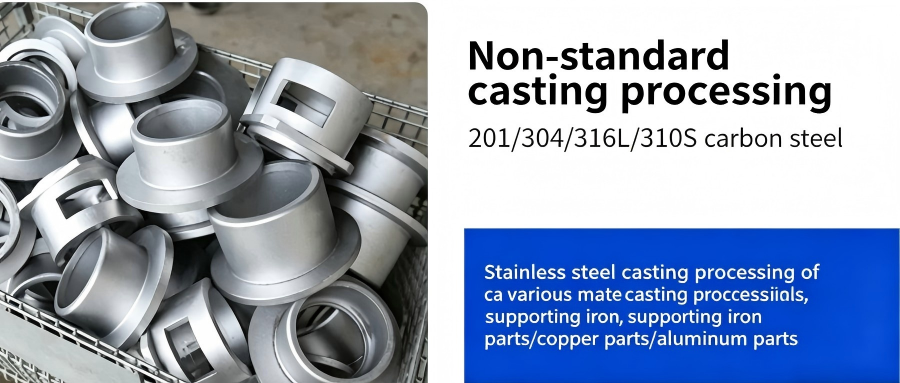
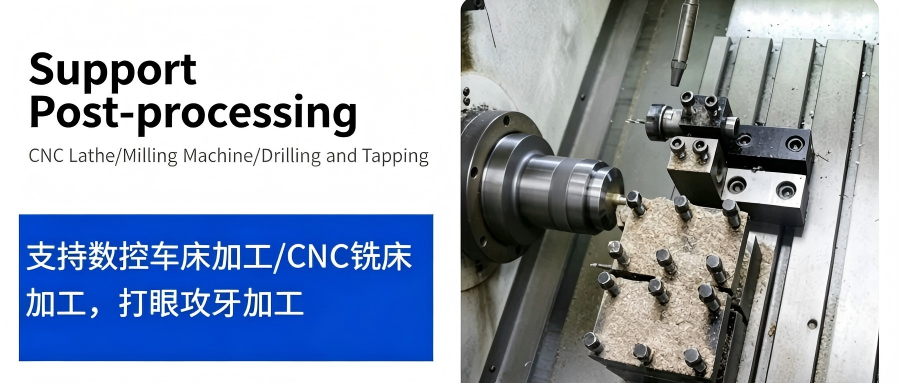
Our company-Hunan Jintai has established cooperative relations with a number of enterprises and is equipped with brand-new machining facilities, and the equipment list as below:
14sets Machining Centers
20sets CNC Machine Tools
15sets Grinding Machines
5sets Milling Machines
4sets Presses
7sets Pressure Test Benches
Various Auxiliary Tools such as Bench Drills
We produce products have large quantity also accept small quantity orders. from vulcanized rubber to precision gears etc.
We custom various mechanical parts to Drawings & Samples.
Welcome to your inquiry- Hunan Jintai Hardware And Machinery Co.,Ltd - Contact: Susan Shi
Mobile(whatsapp/wechat): +86 135 1748 9983
Email: susan@slide-bearing.com




 (Chat Online)
-connecting-rod-bearing.png)