Comprehensive Technical Report on Brass Bushings
2025-11-26
1. Introduction
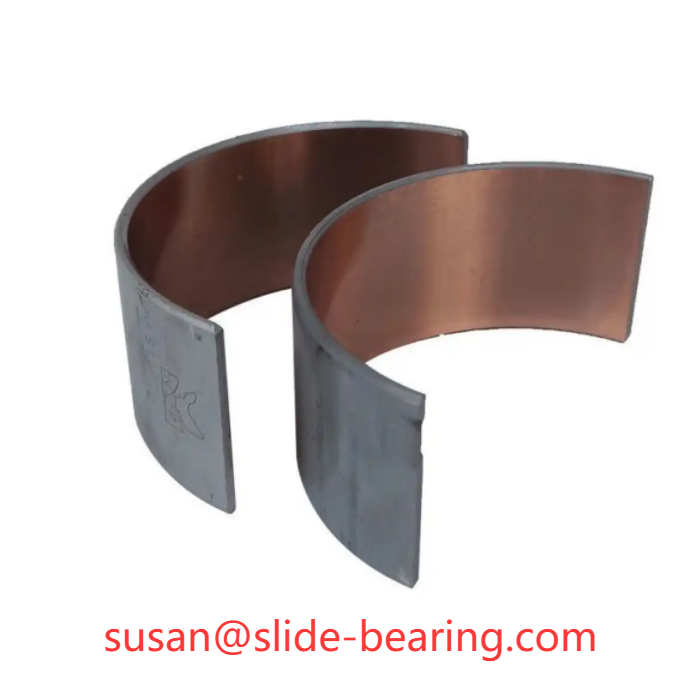
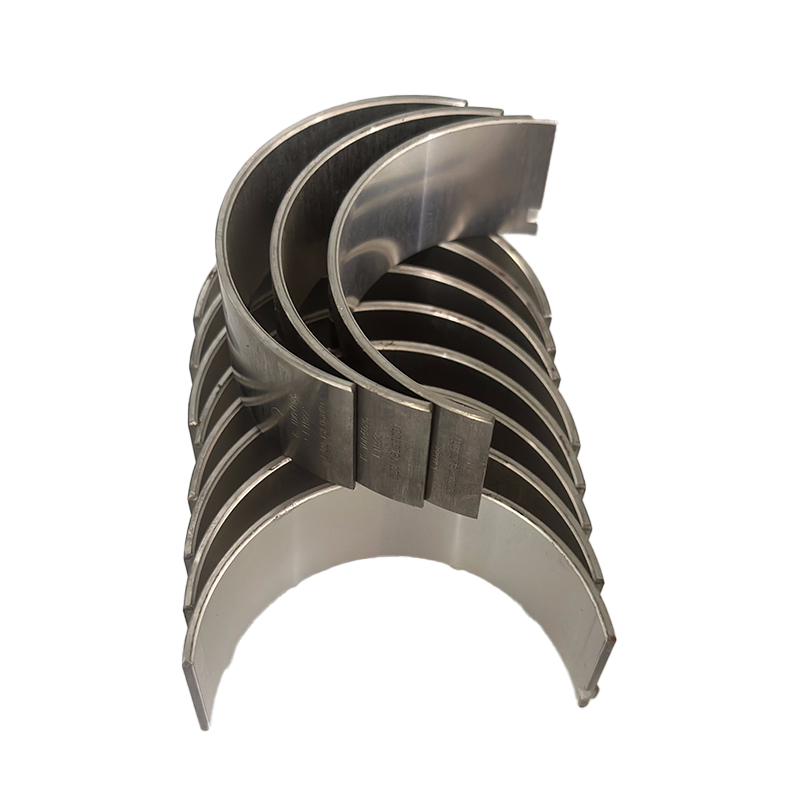
Brass bushings, sliding bearing components primarily made of copper-zinc alloy (brass), are widely used in machinery manufacturing, automotive industries, and marine equipment due to their excellent wear resistance, thermal conductivity, and corrosion resistance. This report analyzes the material properties, processing techniques, typical applications, and market trends.
2. Core Characteristics
Material Advantages
· Brass with 60/40 (H62) or 58/42 (H59) zinc content balances hardness and ductility.
· Low friction coefficient (0.1–0.3), suitable for high-speed sliding scenarios.
· Operating temperature range: -50℃ to 200℃, outperforming standard plastic bushings.
00001.
Key Manufacturing Processes
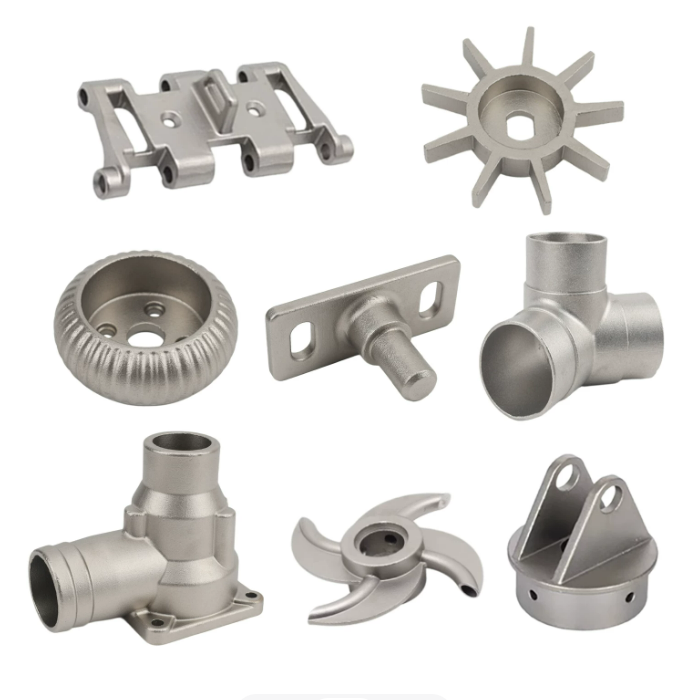
· Formed by centrifugal casting or powder metallurgy.
· Surface tin/nickel plating to enhance corrosion resistance.
· Precision turning ensures dimensional tolerance (IT7 grade).
3. Typical Applications
|
Industry
|
Application Scenario
|
Performance Requirements
|
|
Automotive
|
Transmission guide bushings
|
Oil resistance, impact resistance
|
|
Heavy Machinery
|
Hydraulic cylinder bushings
|
High load capacity, low wear
|
|
Marine
|
Propeller shaft sleeves
|
Seawater corrosion resistance
|
4. Development Trends
00001. Hybridization: Copper-based composites embedded with solid lubricants (e.g., graphite) are emerging.
00002. Lightweighting: Aluminum brass (C6782) adoption increases in new energy vehicles.
00003. Smart Integration: Sensor-equipped bushings for wear monitoring are under testing.
5. Conclusion
Brass bushings remain irreplaceable in heavy-load and high-temperature environments. Future advancements should focus on material modifications to extend service life.
Got inquiry/price offer/place order, contact information:
Hunan Jintai Hardware And Machinery Co.,Ltd
Add: Rm.426, Hunan International Commerce Centre,Jintai Square,410001 Changsha,Hunan,China
Contact: Ms. Susan Shi
Cell(whatsapp): 0086 13517489983
Wechat: s33606




 (Chat Online)
-connecting-rod-bearing.png)